Floridians rarely deal with the complexities of property insurance during calm times.
Instead, they learn about the industry and details of their policy after hurricanes, floods, fires and other disastrous losses turn their lives upside down.
And in those moments, when homes are damaged, families are displaced, businesses are closed, and financial pressure is intense, the insurance claim process matters as much as the policy itself.
This is precisely why a growing practice in Florida’s insurance market should alarm every consumer.
Across the state, insurers are increasingly pressuring policyholders into giving up their right to independent representation through waivers that are often buried in paperwork, framed as routine steps, or tied – explicitly or implicitly – to faster payment or continued cooperation.
Many consumers do not realize they are signing away their rights until it is too late.
This is not an administrative convenience. It is a fundamental shift in power.
Insurance policies are contracts of adhesion – Floridians do not negotiate their terms.
They accept them as written, trusting that if disaster strikes, the process will be fair.
That imbalance is why the right to seek professional help from licensed public adjusters, attorneys or other trusted advocates has long been recognized as an essential consumer protection.
When insurers bend the claims process to discourage or eliminate that right, they are exploiting vulnerability, not simplifying recovery.
Florida policyholders experience more catastrophic property losses than almost anywhere in the country.
After a major storm, policyholders are asked to make critical decisions while displaced, stressed and unfamiliar with complex policy language. Encouraging policyholders to waive their right to professional representation increases pressure at the worst possible moment.
If insurers can normalize the idea that policyholders should “go it alone,” or that accepting delays for help complicates their claim, independent representation becomes inaccessible.
The result is predictable: fewer challenges to low valuations, less scrutiny of coverage decisions and diminished accountability across the system.
Insurance carriers justify these practices in the name of controlling costs and preventing fraud. Fraud is addressed through lawful enforcement and investigation, not by stripping consumers of their rights.
Independent advocates exist because insurance claims are not intuitive.
Valuation is technical. Policy interpretation is nuanced. Coverage disputes are fact-specific.
Without representation, consumers must rely entirely on a process designed, managed and interpreted by the same entity responsible for paying the claim.
Imagine playing a sport against a team that chooses the referees, dictates the plays you can run and, in the end, announces the final score.
That’s what’s happening when you sign away your rights.
Undermining representation is not reform; it’s avoidance.
What makes this moment particularly dangerous is how quietly this binding process is unfolding.
These waivers are rarely labeled for what they are. They are presented as paperwork, procedures or faster paths to payment. But speed should never come at the cost of understanding, and payment should never be conditioned on surrendering rights.
Florida regulators and lawmakers should take notice.
Any insurer practice that interferes with a policyholder’s ability to obtain licensed representation should be prohibited and closely scrutinized.
Consumer protection means little if it can be undone through fine print and pressure.
Insurance is meant to provide security after loss, not confusion or coercion.
If Florida allows the right to representation to be quietly strong-armed away, the consequences will be felt long after the next storm passes.
This is the line that must be drawn. Now.
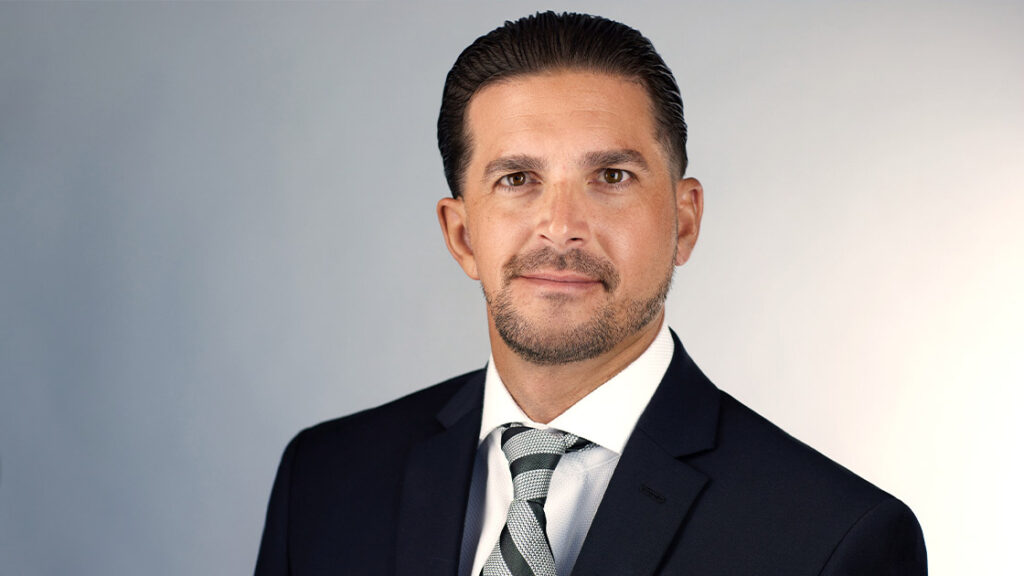
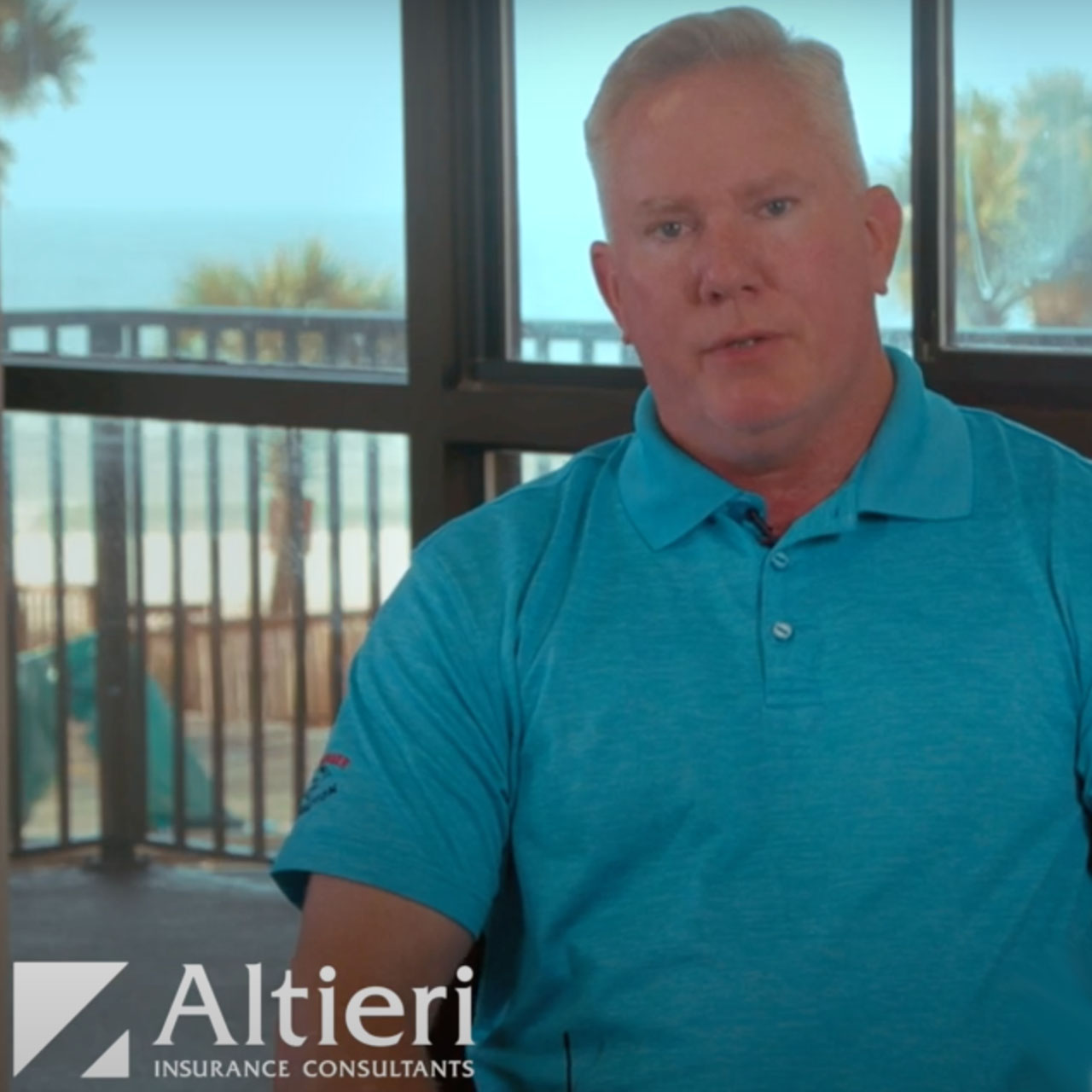
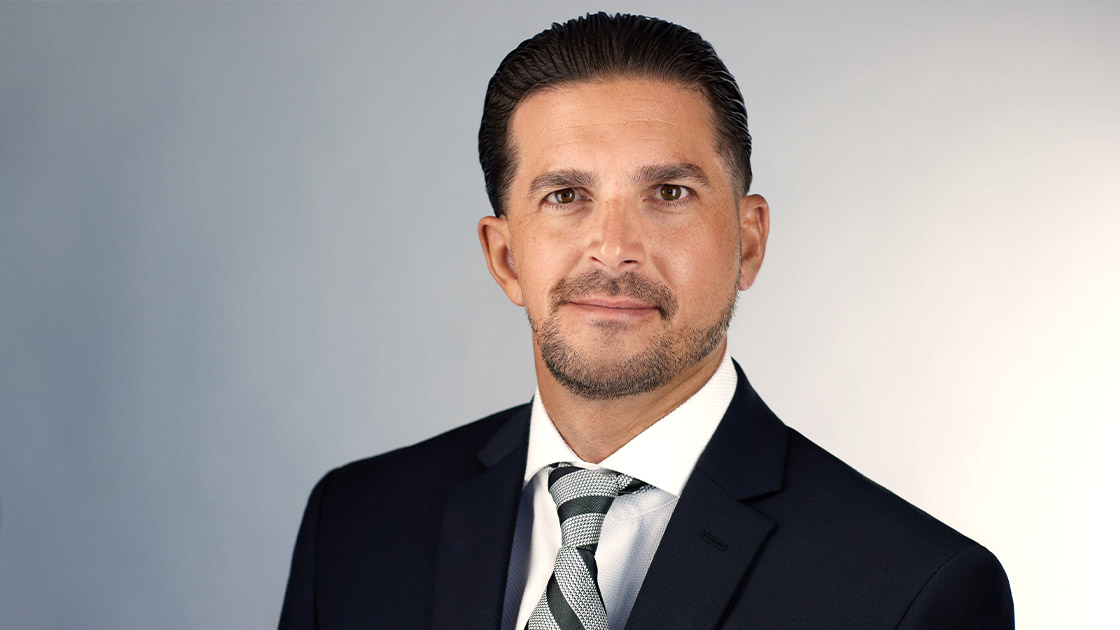
Frank Altieri is a second-generation public adjuster and president of the Florida Association of Public Insurance Adjusters.